1.
Checking Local Regulations and Permits
Before any work begins, it’s important to review zoning laws, building codes, and permit requirements in your area. Every location has different regulations, and ensuring compliance will prevent legal and logistical issues down the line.
2.
Preparing the Foundation and Utilities
Modular homes require a solid foundation to support their structure. Depending on your design, this could be a concrete slab, crawl space, or basement. Additionally, utility connections such as water, electricity, and sewage need to be installed and ready before the home is delivered.
3.
Ensuring Easy Site Access for Delivery
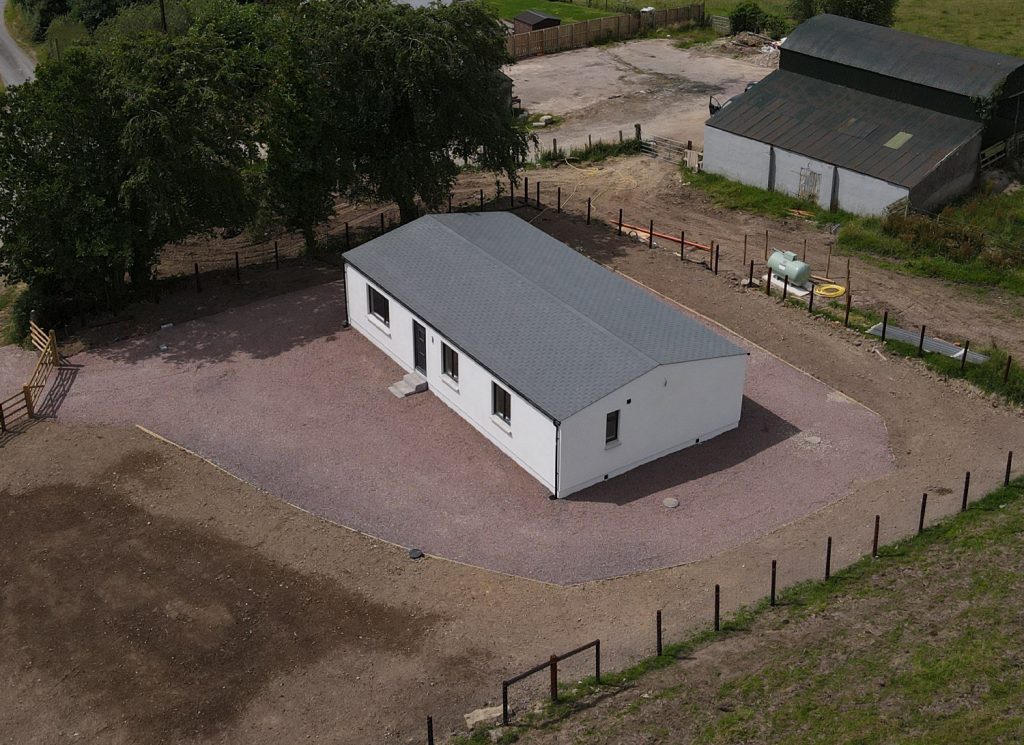
One of the biggest advantages of modular homes is their quick and efficient installation. However, the delivery process requires clear access for trucks and cranes. It’s essential to check that roads, driveways, and entry points are wide and sturdy enough to accommodate the transportation of your home.
4.
The Importance of a Level and Stable Ground
A stable, level foundation is critical for the long-term durability of your modular home. Uneven or unstable ground can lead to structural issues over time. Before installation, professional site preparation ensures that your land is properly graded and compacted.
A well-prepared site is the foundation of a successful modular home installation. By securing permits, preparing utilities, ensuring proper access, and leveling the land, you’re setting the stage for a stress-free and efficient setup. With the groundwork in place, your modular home will be ready for installation, so you can move in and start enjoying your new space without unnecessary delays.